

.svg)
.svg)
Android Tap-to-Pay: Why Most Payment Providers Get It Wrong
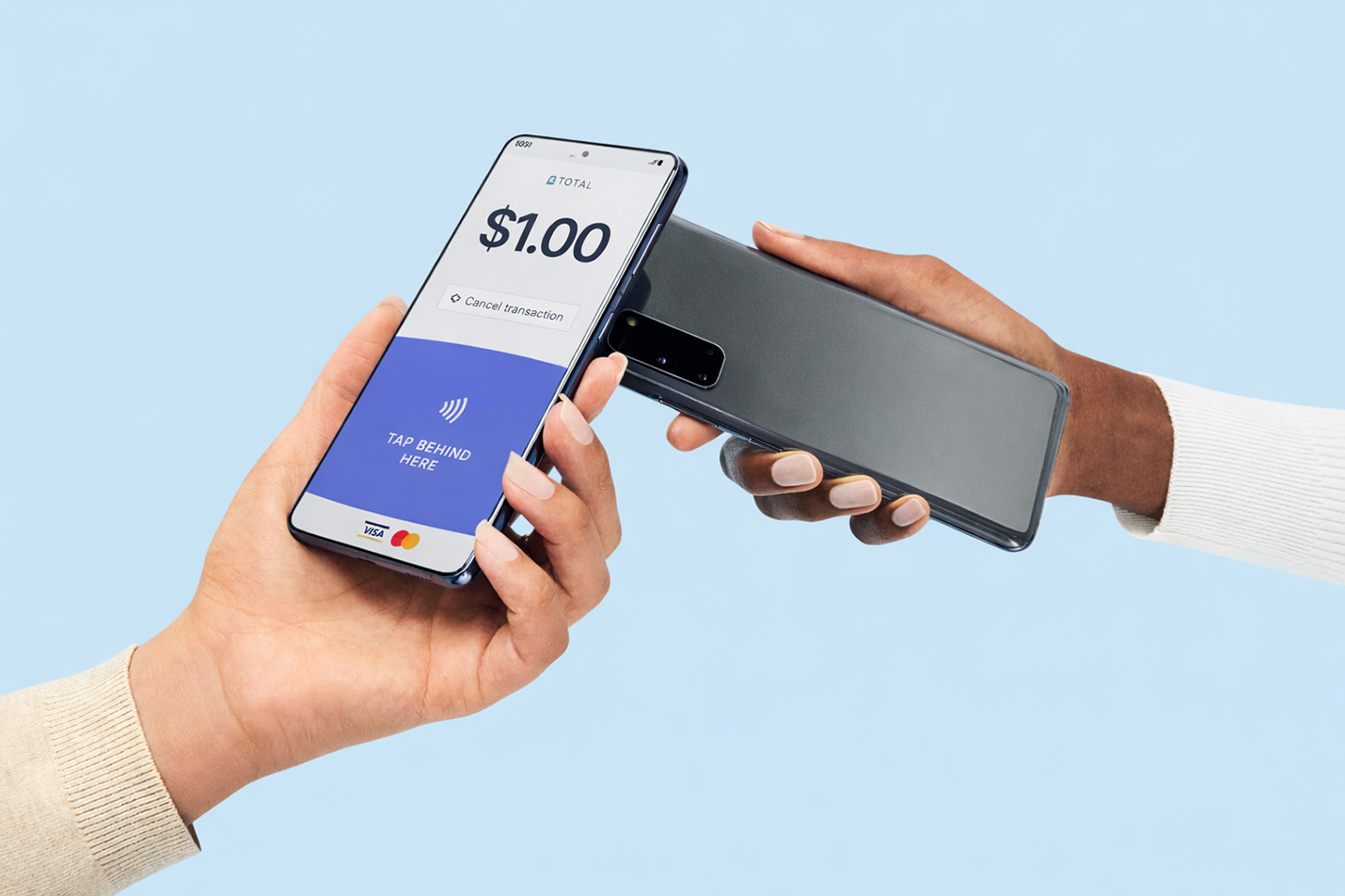
Turning your smartphone into a payment terminal isn't new. Businesses have been doing it for years. But if you're an Android user, you might feel like you're treated as a second-class citizen in the smartphone payments world.
Many payment providers either don't offer Android tap-to-pay at all, or they provide such limited functionality that you're essentially stuck with a basic payment app that can't handle real business operations.
The truth is, Android devices are perfectly capable of delivering full-featured payment solutions, but only if providers invest in building them properly. Understanding what separates a complete Android tap-to-pay platform from a basic payment app can save your business thousands in unnecessary hardware costs and unlock features that genuinely improve operations.
A proper Android payment solution should deliver full product catalogues, inventory management, multi-user access, comprehensive reporting, enterprise-grade security and the flexibility to use devices you already own.
The Current State of Android Tap to Pay in Australia
The smartphone payment landscape in Australia has evolved rapidly, but Android users haven't always benefited equally from this progress. While contactless payments are now the norm (with cash used for only 16% of in-person transactions in 2022, according to the Reserve Bank of Australia) many providers still treat Android as an afterthought.
If you own an Android device and want to accept tap-to-pay transactions, some providers only support iPhone, leaving you out entirely, while others might technically offer Android support but strip away so many features that you're left with little more than a glorified calculator with payment processing.
This matters enormously for Australian small businesses. Android holds a substantial share of the smartphone market, particularly among trades, mobile service providers and small business owners. They deserve solutions that actually work for their devices and their business needs.
What "Basic" Android Tap to Pay Really Means
Not all Android payment solutions are created equal. Understanding the difference between "basic" and "advanced" implementations helps you avoid investing in a system that can't actually support your business operations.
The Limitations of Basic Solutions
Basic Android tap-to-pay implementations typically offer just one core function: enter a price and accept a payment. But this means having to manually enter prices for every transaction instead of selecting items from a pre-configured menu, slowing down service and increasing the likelihood of errors.
Basic solutions also rarely include proper inventory tracking, so you can't monitor stock levels or identify your best-selling products. Receipt options are often just a simple text receipt with no customisation or branding. Integration with accounting software like Xero either doesn't exist or requires manual data entry, turning tax time into an administrative nightmare.
Team management capabilities suffer with basic implementations too. You might only be able to have one user account, or if multiple users are supported, you can't properly track who processed which transactions or set different permission levels. Real-time reporting becomes non-existent or so basic that you're left guessing about your business performance.
The Hidden Costs of Limited Functionality
These limitations carry real financial consequences. Without proper inventory management, you might not realise you're running low on popular items until it's too late, leading to lost sales. The inability to track performance by team member makes it impossible to identify training needs or reward top performers. And when you can't integrate with your accounting software, you're paying either in time (with manual data entry) or money (by hiring someone to handle reconciliation).
Many businesses discover these limitations only after they've committed to a basic solution, at which point they either need to continue working around the system's shortcomings or invest in additional software and hardware to fill the gaps. What initially seemed like a cost-effective solution becomes expensive when you factor in the hidden costs of supplementary tools and wasted staff time.
Security Standards: Android Payments Match Hardware Terminals
One concern that often arises when discussing smartphone payment acceptance is security. Can tap-to-pay on Android really be as secure as a physical eftpos machine? The answer, backed by industry standards and security frameworks, is yes. But only when implemented properly.
PCI-DSS Compliance: The Universal Standard
Every payment solution must comply with the Payment Card Industry Data Security Standard (PCI-DSS). This is mandatory for all entities that store, process or transmit cardholder data. The PCI Contactless Payments on COTS (CPoC) standard specifically addresses security requirements for contactless payment solutions on commercial off-the-shelf devices like smartphones.
An Android phone accepting payments must meet exactly the same security standards as a traditional eftpos terminal sitting on a counter. There's no separate, lower standard for mobile solutions.
How Android Protects Payment Data
Modern Android payment processing uses multiple layers of security. Tokenisation replaces your customer's card number with an encrypted token, so the real card data never touches your phone's storage. Each transaction generates a unique, one-time cryptogram that can’t be reused. Even if someone intercepted the transaction data, they couldn't use it to process another payment.
Android devices use hardware-backed encryption and secure elements to process payments, leveraging the same Near Field Communication (NFC) technology found in contactless eftpos cards. The EMV Payment Tokenisation Specification ensures that payment information remains private throughout the transaction process.
Why Your Smartphone Might Be More Secure Than You Think
Your smartphone likely requires biometric authentication (fingerprint or face recognition) or a secure PIN to unlock, and this authentication extends to payment processing. Traditional eftpos terminals don't require the merchant to authenticate each transaction. Your phone also receives regular security updates, whereas many traditional payment terminals run on outdated firmware for years.
The key difference between secure and insecure mobile payment solutions isn't the platform, it's the implementation. Solutions built to PCI-DSS standards and using proper encryption protocols deliver security that matches or exceeds traditional hardware.
What Full-Featured Android Tap-to-Pay Should Look Like
Understanding what's possible with Android tap-to-pay helps you identify solutions that will support your business growth. Here's what a properly developed Android payment platform should deliver.
Complete Business Features Beyond Payment Processing
Pebl's Android tap-to-pay solution demonstrates what's achievable when providers invest in comprehensive Android development. Rather than treating Android as a secondary platform, a full-featured solution should offer product catalogue functionality that lets you pre-configure items with prices, making transactions faster and more accurate.
Inventory management should be built in, allowing you to track stock levels, monitor which products are selling and receive alerts when it's time to reorder.
Multi-user capabilities are invaluable for businesses with multiple staff members or locations. Each team member should be able to use their own device to accept payments for your business, with appropriate permission levels and the ability to track performance individually. Whether you have two employees or 20, your payment system should scale seamlessly.
Integration That Actually Saves Time
Accounting integration, particularly with Xero, transforms how you handle financial administration. Instead of manually entering transaction data, your payments should flow directly into your accounting software, automatically reconciling invoices and marking them as paid. This feature is fundamental to efficient business operations.
Real-time reporting and analytics should be accessible directly from your Android device. You should be able to monitor sales trends, analyse transaction patterns and manage all business payments with live insights (not just on desktop, but on the same phone you're using to accept payments).
Receipt customisation and customer communication options provide professional touches that basic solutions lack. Customers should be able to receive receipts via SMS or email, branded with your business details. This isn't just about looking professional; it's about building trust and making record-keeping easier for everyone involved.
The Instant Setup Advantage
Mobile solutions truly outshine traditional eftpos machines when it comes to setup time. With a properly designed Android app, you should be able to download the software, complete your business verification and start accepting payments within minutes. Compare this to traditional eftpos terminal delivery, which typically involves:
- Waiting 5-10 business days for hardware delivery
- Scheduling installation or setup appointments
- Learning a new terminal interface
- Dealing with hardware maintenance and updates.
The mobile approach eliminates all of this. Your Android device is already in your pocket, already connected to the internet and already familiar to you and your team.
How This Replaces Traditional Eftpos Hire
Traditional eftpos machine hire typically involves monthly rental fees (often $29-$49 per month according to industry providers), plus transaction fees and the hassle of managing physical hardware.
A full-featured Android solution like Pebl eliminates the rental fees entirely. At 1.80% per transaction with zero monthly fees, you're only paying when you're actually making money. There's no hardware to maintain, no devices to insure and no rental charges eating into your profit during slow months.
Business Cases: When Android Tap to Pay Makes Sense
Understanding which businesses benefit most from Android payment solutions helps you determine if this approach suits your operations.
Perfect Fit Industries for Mobile Payments
Mobile trades and service providers represent the ideal use case for Android tap-to-pay. Plumbers, electricians, builders, and mobile mechanics already carry their phones everywhere, turning that same device into a payment terminal eliminates the need to manage separate hardware. When you're working on-site at a customer's location, accepting payment on the spot means faster cash flow and fewer outstanding invoices.
Event vendors and market stalls face unique challenges with traditional eftpos machines. Battery life, internet connectivity and setup time all become critical when you're operating in temporary locations. Android devices already handle these challenges well, as they're designed for mobile use, maintain connectivity through 4G or Wi-Fi and setup is instant. For businesses that operate at different locations weekly, this flexibility is invaluable.
Home service providers including cleaners, gardeners, lawn care services and mobile beauty therapists benefit from the same advantages. You're already travelling to customers' homes, so you don't need the added complexity of managing payment hardware. Your phone handles navigation, communication, scheduling and now payments, all from one device.
Food trucks and mobile food businesses require fast transaction processing during peak service times. While very high-volume operations might still benefit from specialised point-of-sale hardware, many food trucks find that a well-designed mobile solution handles their payment needs while reducing equipment costs and setup complexity.
The True Cost Comparison
Let's examine the real numbers for businesses considering their options. A traditional eftpos terminal might cost:
- Purchase option: $199-$299 upfront for basic terminals (higher for advanced models)
- Rental option: $29-$49 per month = $348-$588 annually
- Transaction fees: 1.4%-2.2% depending on provider
- Additional costs: Internet connectivity if you don't have it ($30-$100+ monthly), paper rolls, potential maintenance fees.
Over three years, rental fees alone cost $1,044-$1,764 before you've processed a single transaction.
By contrast, using your existing Android device with Pebl means:
- Setup cost: $0
- Monthly fees: $0
- Transaction fees: 1.80%
- Additional costs: You're already paying for your phone and data plan.
For a business processing $5,000 monthly in card payments, the savings become substantial. Traditional rental costs $348+ annually just for the terminal, plus transaction fees. The Android approach charges only for actual transactions, with no fixed costs regardless of your volume.
When Traditional Eftpos Still Makes Sense
Very high-volume retail locations with fixed checkout counters and hundreds of daily transactions might still benefit from dedicated eftpos terminals integrated into comprehensive point-of-sale systems. If you're processing thousands of transactions weekly and need split-second processing times, specialised hardware might offer marginal speed advantages.
However, for the vast majority of small and medium businesses—particularly mobile operations, service providers and businesses processing under 200 transactions daily—a well-designed Android solution delivers equal or superior functionality at a fraction of the cost.
FAQs — Your Questions Answered
Do I need a special Android phone to accept tap-to-pay payments?
Your Android device needs NFC (Near Field Communication) capability, Android 9.0 or higher and must not be rooted or running in developer mode. Most modern Android phones from 2020 onwards meet these requirements, including popular models from Samsung Galaxy, Google Pixel, OPPO and Xiaomi ranges. You can check if your device supports NFC in your phone's settings under "Connections" or "Connected Devices”.
Is tap-to-pay on Android as secure as a physical eftpos machine?
Yes. Android tap-to-pay solutions that meet PCI-DSS compliance standards provide the same level of security as traditional eftpos terminals. They use tokenisation (replacing card numbers with encrypted tokens), generate unique transaction cryptograms and employ hardware-backed encryption.
Pebl is PCI-DSS compliant and partners with industry leaders including Cybersource (a Visa solution), Global Payments and Equifax to ensure enterprise-grade security.
What happens if my phone dies during a transaction?
Modern Android payment solutions process transactions in real time and confirm completion before the phone's role ends. If your phone dies immediately after a customer taps their card, the transaction has already been processed through the payment network. Your phone was simply the initiation point.
You can verify transaction status through your dashboard on any other device. As a practical matter, maintaining your phone's battery charge is part of using it as a business tool.
Can I accept payments offline with Android tap to pay?
Most Android tap-to-pay solutions require internet connectivity to process transactions in real-time, ensuring immediate verification and fraud protection. However, you don't need a strong connection. 4G mobile data is typically sufficient.
If you frequently work in areas with poor connectivity, consider mobile payment links or QR codes as alternative payment methods that customers can complete once they're back in coverage.
How does Android tap to pay compare to those card readers that plug into your phone?
Physical card readers (dongles) that plug into your phone's headphone jack or charging port offer card payment capability but require carrying extra hardware.
Software-based tap-to-pay using your phone's built-in NFC is more convenient as there's nothing extra to carry, charge or replace. The security and functionality are comparable, but the portability and simplicity of software-based solutions make them increasingly popular.
Why don't all payment providers offer full-featured Android tap-to-pay?
Developing a comprehensive Android payment solution requires significant investment in software development, security certification and ongoing maintenance.
Some providers focused initially on iPhone due to Apple's earlier entry into mobile payments and haven't invested equally in Android development. Others offer basic Android solutions because it requires less development effort than building full business management features.
Can I use my Android tablet instead of my phone?
Yes, if your Android tablet has NFC capability and meets the other requirements (Android 9.0+, not rooted, GMS certified). Tablets can work well for businesses with fixed checkout points who want a larger screen for displaying products and transaction details while maintaining the flexibility of mobile payment acceptance.
What's the catch? Why is this cheaper than hiring an eftpos machine?
There's no hardware to manufacture, ship or maintain. When you use your existing Android device, the provider's costs are purely software and payment processing infrastructure. This allows them to eliminate rental fees and reduce overall costs while still maintaining strong margins.
You're only paying for the actual transaction processing service, not for physical hardware that requires manufacturing, warranty support and replacement programs.
Making the Right Choice for Your Business
Most businesses have better options than traditional hardware or basic apps, but only if they choose a fully-featured Android solution that genuinely supports business operations.
The smartphone in your pocket is perfectly capable of becoming a comprehensive payment terminal with inventory management, team coordination, real-time analytics and accounting integration. The question isn't whether Android devices can handle these tasks. They absolutely can. The question is whether payment providers have invested in building solutions that unlock this capability.
For Australian businesses, particularly mobile trades, service providers, events operators and small retailers, the cost savings alone justify serious consideration.
Ready to turn your Android device into a full-featured payment terminal? Download Pebl and start accepting payments in minutes, or explore the full features to see how Android tap-to-pay can transform your business operations without the hardware costs.